
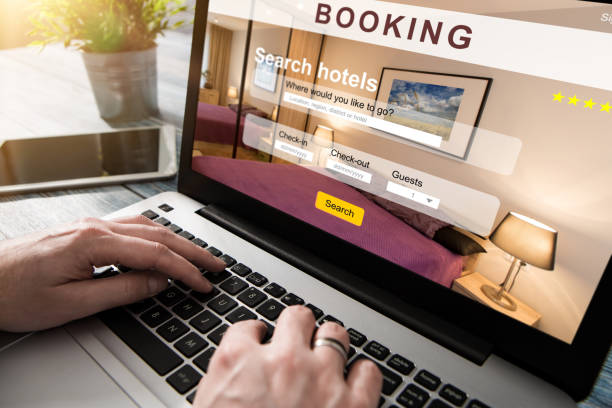
Checklist for Booking Hotels for Wedding Functions
Planning a wedding involves hundreds of decisions, but booking the right hotel for wedding functions is one of the most critical ones. From guest comfort and venue aesthetics to logistics, food quality, and budget control, the hotel you choose can either elevate your wedding experience or create unnecessary stress.
Whether you’re planning an intimate ceremony or a grand multi-day celebration, having a clear checklist for booking hotels for wedding functions ensures nothing is overlooked. This detailed guide will help you make informed decisions, avoid hidden surprises, and choose a hotel that perfectly matches your wedding vision.
1. Finalise Your Wedding Functions & Guest Count First
Before approaching hotels, clarity is essential.
Create a list of:
- Number of wedding functions (engagement, haldi, mehendi, sangeet, wedding, reception)
- Estimated guest count for each function
- Number of outstation guests needing accommodation
- Number of rooms required (single, double, suites)
Hotels offer different pricing slabs based on room blocks and event size, so accurate numbers help in better negotiation and planning.
2. Decide the Type of Hotel You Need
Not all weddings need luxury five-star properties, and not all budgets suit banquet-only hotels.
Choose based on:
- Luxury hotels for premium, destination-style weddings
- Boutique hotels for intimate, aesthetic celebrations
- Resorts for multi-day weddings with outdoor events
- Business hotels for budget-friendly, functional ceremonies
Your wedding theme, budget, and guest profile should guide this decision.
3. Check Location & Accessibility Carefully
Location plays a huge role in guest convenience.
Ensure the hotel:
- Is easily accessible from airport, railway station, or highway
- Has clear signage and smooth entry for baraat and guests
- Is not located in high-traffic or noise-restricted zones
- Has nearby medical facilities and essential services
For destination weddings, proximity to tourist attractions is an added advantage.
4. Inspect Banquet Halls & Outdoor Venues Personally
Never rely only on photos or brochures.
During site visits, check:
- Seating capacity without congestion
- Ceiling height (important for décor and lighting)
- Pillars or obstructions blocking stage views
- Lawn drainage and weather backup options
- Separate spaces for each function if required
Also ask about sound restrictions, event timing limits, and generator backup.
5. Understand Room Inventory & Check-In Policies
Accommodation management is crucial during weddings.
Confirm:
- Total number of rooms available
- Early check-in and late checkout flexibility
- Floor-wise room allocation for family groups
- Bridal suite availability and charges
- Staff coordination for guest movement
Ask if the hotel can block rooms exclusively for your wedding guests to avoid disturbances.
6. Review Food Quality, Menu Flexibility & Tasting Sessions
Food is one of the most talked-about aspects of any wedding.
Checklist points:
- In-house catering only or outside caterers allowed?
- Menu customisation options (regional, Jain, vegan, kids’ menu)
- Number of live counters allowed
- Portion sizes and refill policy
- Food tasting session before finalisation
Clarify if menu prices are per plate inclusive of taxes or not.
7. Ask About Décor Policies & Vendor Restrictions
Hotels often have strict décor guidelines.
Check:
- Is in-house décor mandatory or optional?
- Vendor access charges or royalty fees
- Restrictions on hanging décor, flowers, candles, or fireworks
- Storage space for décor materials
- Time allowed for setup and dismantling
If you’re working with a wedding planner, ensure smooth coordination with hotel management.
8. Confirm Parking, Valet & Guest Movement Facilities
Large weddings require proper guest flow management.
Ensure availability of:
- Adequate parking space
- Valet services
- Separate entry points for guests and vendors
- Lift access for elderly guests
- Wheelchair-friendly pathways
Poor parking arrangements can create chaos, no matter how beautiful the venue is.
9. Check Power Backup, Air Conditioning & Weather Support
Technical arrangements are often ignored but extremely important.
Confirm:
- Full power backup for banquets and rooms
- Air-conditioning capacity during peak crowd hours
- Monsoon backup for outdoor events
- Heating arrangements for winter weddings
- Generator fuel responsibility during extended events
These small details prevent last-minute disasters.
10. Understand Pricing Structure & Hidden Costs
Never finalise verbally—always ask for a written breakup.
Clarify:
- Hall rental charges (per function or per day)
- Minimum guaranteed (MG) room or plate requirement
- Taxes, service charges, and GST percentage
- Overtime charges for events
- Extra charges for sound, lighting, or stage
A detailed contract protects you from unpleasant surprises later.
11. Review Staff Support & Event Coordination
A hotel wedding requires seamless coordination.
Ask:
- Will a dedicated banquet manager be assigned?
- Point of contact during all functions
- Staff ratio during peak hours
- Emergency response readiness
- Experience handling weddings of similar scale
Professional staff can solve problems even before you notice them.
12. Check Cancellation, Refund & Date Change Policies
Weddings involve uncertainties.
Before signing:
- Understand advance payment structure
- Cancellation timelines and refund percentage
- Date change flexibility
- Policy for guest count variation
- Force majeure clauses
These clauses are especially important for destination weddings.
13. Verify Legal & Local Compliance
Ensure the hotel:
- Has valid fire safety clearance
- Holds sound permission licenses
- Allows religious rituals as per local laws
- Has liquor license or BYOB policy clarity
Ignoring compliance can lead to last-minute legal issues.
14. Read Reviews & Past Wedding Experiences
Online reviews reveal ground reality.
Look for:
- Wedding-specific reviews, not just stay reviews
- Feedback on food consistency
- Comments on staff behaviour
- Real guest photos
- Repeated complaints or red flags
If possible, ask the hotel for references of past wedding clients.
15. Negotiate Smartly Before Finalising
Hotels expect negotiation for weddings.
Tips:
- Book during off-season for better rates
- Bundle rooms + banquets + food
- Ask for complimentary rooms or upgrades
- Negotiate décor or sound charges
- Lock rates in writing
Professional wedding planners often help secure better deals.
16. Get Everything Documented in a Proper Agreement
Once finalised, ensure:
- Detailed contract with all inclusions
- Function-wise schedule attached
- Menu finalisation deadline mentioned
- Payment milestones clearly stated
- Signature from authorised hotel representative
Never rely on WhatsApp messages alone.
Booking hotels for wedding functions is not just about choosing a beautiful venue—it’s about guest experience, smooth execution, and peace of mind. A well-researched decision ensures your wedding celebrations flow seamlessly, allowing you and your family to truly enjoy every moment.
By following this comprehensive checklist for booking hotels for wedding functions, you reduce risks, control costs, and create unforgettable memories without last-minute chaos.
If you want expert assistance in venue selection, vendor coordination, and end-to-end wedding planning, working with an experienced wedding planner can make all the difference.
A wedding planned right begins with choosing the right hotel—thoughtfully, carefully, and confidently.
Add Comment