
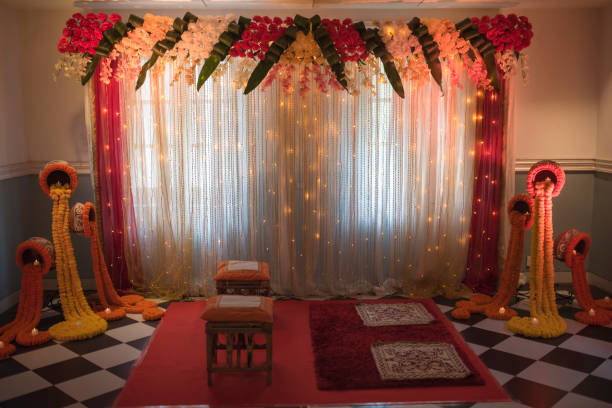
Stage Lighting Ideas for Day and Night Weddings: Creating the Perfect Ambience
Stage lighting is no longer just a technical requirement at weddings—it has become a powerful design element that defines mood, enhances décor, flatters photography, and elevates the entire guest experience. Whether it’s a sun-kissed daytime ceremony or a glamorous night reception, the right lighting transforms an ordinary stage into a breathtaking focal point.
In this detailed guide, we explore creative, practical, and stylish stage lighting ideas for both day and night weddings, helping couples and planners design picture-perfect celebrations that shine at every hour
Why Stage Lighting Matters in Weddings
The wedding stage is where the most important moments happen—vows, rituals, speeches, performances, and photographs. Thoughtful lighting:
- Highlights the couple and key décor elements
- Sets the emotional tone of the event
- Enhances photography and videography
- Creates a seamless transition between events
- Makes even simple décor look luxurious
Lighting isn’t about brightness alone; it’s about color, direction, softness, and timing.
Understanding Day vs Night Wedding Lighting
Before choosing lighting styles, it’s essential to understand how daytime and nighttime conditions differ.
Day Weddings
- Depend heavily on natural light
- Require subtle enhancement, not overpowering brightness
- Focus on softness, diffusion, and shadow control
Night Weddings
- Offer complete creative freedom
- Allow dramatic effects, colors, and layered lighting
- Demand proper balance to avoid harsh shadows
Let’s explore ideas for each in detail.
Stage Lighting Ideas for Day Weddings
Day weddings often feel fresh, elegant, and serene. The goal is to complement sunlight—not compete with it.
1. Soft Ambient Wash Lighting
Ambient wash lights gently illuminate the stage without making it look artificial. These lights:
- Balance uneven sunlight
- Reduce harsh shadows on faces
- Keep décor colors natural
Warm white or soft ivory tones work best for daytime stages, especially for traditional ceremonies.
2. Diffused LED Panels
Diffused LED panels are a favorite for daytime weddings because they:
- Provide even lighting
- Don’t create glare
- Are ideal for photography
They’re often placed at angles to highlight the couple while keeping the background softly lit.
3. Floral Stage Backlighting
Subtle lighting behind floral backdrops creates depth and dimension. Instead of lighting flowers directly:
- Place warm lights behind the arrangement
- Use gentle uplighting from below
- Avoid sharp beams
This technique makes floral stages glow naturally under daylight.
4. Natural Light Enhancement with Reflectors
For outdoor or open-air venues, reflectors are incredibly effective. They:
- Bounce sunlight onto the couple
- Improve skin tones in photos
- Eliminate dark facial shadows
Gold reflectors add warmth, while white reflectors keep the look neutral and elegant.
5. Minimal Uplighting for Daytime Stages
Uplighting isn’t just for nights. For day weddings:
- Use pastel or warm white uplights
- Keep intensity low
- Highlight columns, stage edges, or mandap pillars
This adds polish without overpowering natural light.
6. Mandap and Ritual Lighting
For traditional ceremonies, lighting should feel sacred and calm.
- Soft spotlights on idols or ritual areas
- Gentle overhead lighting for priests and couple
- Avoid colored lights during rituals
The aim is clarity, calmness, and reverence.
Transition Lighting: From Day to Evening
Many weddings start during the day and flow into evening events. Transition lighting plays a crucial role here.
- Gradually increase lighting intensity as sunlight fades
- Introduce warmer tones during sunset
- Begin subtle accent lighting before nightfall
This smooth transition ensures the stage never feels dull or under-lit.
Stage Lighting Ideas for Night Weddings
Night weddings are where lighting truly takes center stage. This is your chance to be bold, dramatic, and glamorous.
1. Layered Lighting Design
The most stunning night stages use multiple lighting layers:
- Ambient lighting for overall brightness
- Accent lighting for décor highlights
- Spot lighting for the couple
- Effect lighting for drama
Layering creates depth and avoids flat, overexposed stages.
2. LED Uplighting in Wedding Themes
LED uplights can instantly set the mood. Popular color ideas include:
- Warm amber for royal or traditional weddings
- Soft pinks and peaches for romantic themes
- Deep blues and purples for modern luxury setups
Uplights placed behind the stage, along walls, or under décor elements create a rich, immersive look.
3. Intelligent Moving Head Lights
Perfect for receptions and sangeet nights, moving head lights:
- Change colors dynamically
- Create motion and energy
- Sync with music for performances
Use them sparingly on stage to maintain elegance while adding excitement.
4. Spotlighting the Couple
A focused spotlight ensures the couple always remains the center of attention.
- Use warm, flattering tones
- Avoid harsh white beams
- Position lights at an angle, not straight overhead
This is essential for speeches, performances, and couple entries.
5. Backlit Stage Panels and LED Screens
Backlit panels and LED screens add a modern touch to night weddings.
- Soft animated visuals
- Monograms or couple names
- Floral or starry patterns
When combined with proper lighting, they create a cinematic stage effect.
6. Fairy Lights and Warm Bulb Installations
For romantic or rustic themes:
- Curtain fairy lights behind the stage
- Edison bulbs in symmetrical patterns
- Warm golden tones for intimacy
These lights photograph beautifully and create a cozy atmosphere.
7. Pin Spot Lighting for Décor Highlights
Pin spot lights are used to highlight specific elements like:
- Wedding cake
- Floral centerpieces
- Name signage
- Statues or props
They add elegance without flooding the stage with brightness.
Lighting for Different Wedding Functions
Each wedding function has its own lighting personality.
Wedding Ceremony
- Soft, even lighting
- Minimal colors
- Focus on clarity and calmness
Sangeet Night
- Dynamic lights
- Color changes and motion
- Performance-friendly setups
Reception
- Glamorous lighting
- Layered effects
- Warm tones mixed with accent colors
Cocktail Party
- Moody lighting
- Soft glows
- Accent lights for décor and bar areas
Common Stage Lighting Mistakes to Avoid
Even the best décor can suffer due to poor lighting. Avoid these mistakes:
- Overusing harsh white lights
- Ignoring lighting angles
- Too many colors at once
- Uneven lighting causing dark patches
- Not testing lighting before the event
Professional planning and rehearsal are key to flawless execution.
Choosing the Right Lighting Based on Venue
Indoor Banquet Halls
- Controlled lighting environment
- Use ceiling washes and stage uplights
- Avoid over-bright LED panels
Outdoor Lawns
- Need stronger ambient lighting at night
- Weather-resistant fixtures
- Balanced lighting to avoid dark backgrounds
Destination Venues
- Power availability planning
- Lightweight and versatile lighting setups
- Theme-based lighting to match surroundings
Coordinating Lighting with Décor and Theme
Lighting should never be an afterthought. It must align with:
- Wedding color palette
- Floral choices
- Stage materials (fabric, glass, mirrors)
- Overall theme—royal, boho, modern, traditional
When décor and lighting work together, the result feels seamless and luxurious.
Final Thoughts
Stage lighting has the power to transform a wedding from beautiful to unforgettable. Whether you’re planning a serene daytime ceremony or a dazzling night celebration, the right lighting choices enhance emotions, elevate décor, and create magical memories.
From soft ambient glows to dramatic night-time effects, thoughtful stage lighting ensures that every moment—every smile, ritual, and photograph—looks exactly as special as it feels. When planned well, lighting doesn’t just illuminate the stage; it tells the story of the wedding itself.
Add Comment