
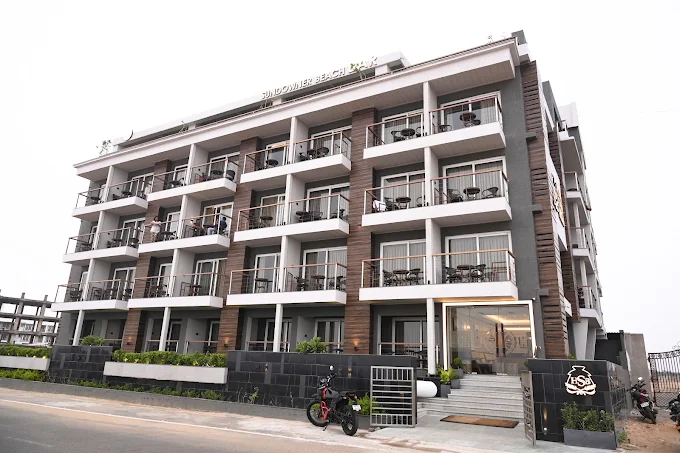
Guest Accommodation and Hospitality for Destination Weddings
A destination wedding is more than a beautiful venue, elegant décor and memorable celebrations. When guests travel from different cities or countries to attend a wedding, their comfort and convenience become an important part of the overall experience. From arranging comfortable accommodation to coordinating transportation and welcoming guests warmly, thoughtful guest accommodation and hospitality for destination weddings can make the celebration enjoyable for everyone.
For couples planning a destination wedding, guest hospitality should be considered from the moment guests receive their invitation until they return home. A well-planned hospitality experience helps guests feel welcomed, comfortable and cared for throughout the wedding celebrations.
Why Guest Hospitality Matters at Destination Weddings
Destination weddings require guests to travel away from their homes. They may be unfamiliar with the destination, transportation options, local weather, food and nearby attractions. This is why proper hospitality planning is an important part of destination wedding management.
Good guest hospitality can help with:
- Comfortable accommodation
- Smooth airport or railway transfers
- Easy transportation to wedding venues
- Clear communication
- Convenient check-in and check-out
- Assistance with local arrangements
- Personalised guest care
- A welcoming wedding experience
When these details are planned properly, guests can focus on enjoying the celebrations instead of worrying about travel and logistics.
Choosing the Right Accommodation for Wedding Guests
Accommodation is one of the first things to arrange when planning guest accommodation and hospitality for destination weddings.
The hotel or resort should ideally be comfortable, conveniently located and suitable for the number of guests attending. Couples should consider the room categories, facilities, dining options, accessibility and distance from the wedding venue.
Depending on the wedding budget and guest profile, accommodation can include:
- Luxury hotels
- Premium resorts
- Boutique properties
- Business hotels
- Heritage hotels
- Villas or private stays
It is also useful to reserve rooms in advance, particularly when the wedding takes place during a busy travel season.
Group Room Booking and Guest Allocation
Managing accommodation for a large wedding group requires careful planning. Guests may include family members, friends, elderly relatives, children and VIP guests, each with different requirements.
A wedding planner or hospitality team can maintain a detailed room allocation list containing guest names, room categories, arrival dates and special requirements.
Room allocation should consider factors such as:
- Family groups
- Couples
- Elderly guests
- Guests travelling with children
- VIP guests
- Guests with accessibility requirements
Clear room allocation helps reduce confusion during check-in and ensures that guests can settle into their accommodation smoothly.
Welcome Guests with a Personal Touch
The arrival experience creates the first impression of a destination wedding. A warm and organised welcome can immediately make guests feel comfortable.
A hospitality desk at the airport, railway station or hotel can help arriving guests with directions, transportation and check-in information.
Couples can also provide welcome kits containing useful items such as:
- Wedding itinerary
- Hotel information
- Local destination guide
- Emergency contact details
- Event schedule
- Refreshments
- Small welcome gifts
A thoughtful welcome kit combines practicality with a personal touch.
Transportation and Airport Transfers
Transportation is another essential element of destination wedding guest hospitality.
Guests may arrive at different times and through different transportation points. Coordinating airport, railway station and local transfers can therefore become complicated without proper planning.
A dedicated transportation plan should include:
- Guest arrival details
- Vehicle allocation
- Driver contact information
- Pickup and drop-off points
- Wedding venue transfers
- Hotel-to-venue transportation
- Departure transfers
Guests should receive transportation information in advance so that they know where to go after arriving at the destination.
Managing Wedding Venue Transfers
Destination weddings often include several events at different venues. Guests may need to travel from their hotel to locations for mehendi, haldi, sangeet, wedding ceremonies and receptions.
A dedicated hospitality team can coordinate transportation according to the event schedule. Vehicles should be arranged according to guest numbers and event timings.
Clear signage, designated pickup points and a coordinator at the hotel can make event transportation easier to manage.
Food and Dining Arrangements
Food plays an important role in Indian weddings, particularly when guests are staying at the destination for multiple days.
When planning guest accommodation and hospitality, couples should consider different dietary preferences and requirements. Vegetarian, non-vegetarian, Jain, regional and special dietary options may need to be discussed with the hotel or catering team.
Meal schedules should also be communicated clearly to guests. Breakfast, lunch, evening refreshments and dinner can be planned around the wedding itinerary.
For guests arriving late, arranging suitable refreshments or late-night meal options can also improve the overall hospitality experience.
Special Care for Elderly Guests and Children
Every wedding guest has different needs. Elderly relatives may require easier transportation, ground-floor rooms or assistance with movement. Families travelling with children may appreciate rooms closer to lifts or common areas and child-friendly meal options.
Planning these requirements in advance allows the hospitality team to provide appropriate assistance without creating last-minute complications.
A guest preference list can help wedding planners coordinate these arrangements efficiently.
VIP Guest Hospitality
Destination weddings may include close family members, important guests and other VIP attendees who require additional attention.
VIP hospitality can include personalised welcome arrangements, dedicated transportation, priority check-in, upgraded accommodation and an assigned hospitality coordinator.
The objective should be to provide smooth and discreet assistance while maintaining the guest’s privacy and comfort.
Communication is Key to Guest Hospitality
Clear communication can prevent many common wedding hospitality problems. Guests should receive important information before they travel.
A destination wedding guest information guide can include:
- Hotel address
- Check-in and check-out timings
- Contact numbers
- Wedding event schedule
- Transportation details
- Dress codes
- Weather information
- Local attractions
- Emergency contacts
A WhatsApp group or dedicated communication channel can also help share timely updates regarding event timings and transportation.
Making Guests Feel at Home
The most memorable hospitality often comes from thoughtful details rather than expensive arrangements.
Personalised welcome notes, local snacks, small gifts, comfortable seating areas and helpful hospitality staff can make guests feel valued.
Destination weddings provide an opportunity to introduce guests to the local culture as well. Depending on the location, couples can include local cuisine, cultural performances, traditional welcome ceremonies or short sightseeing experiences in the itinerary.
These details can make the wedding journey more meaningful for guests.
Departure Hospitality
Guest hospitality should continue until the final departure. The hospitality team can confirm departure schedules, arrange hotel check-outs and coordinate transportation to the airport or railway station.
Guests should receive their departure information in advance, including vehicle timing and pickup location.
A simple farewell gesture or thank-you note can provide a warm ending to the wedding celebration.
Work with a Professional Wedding Planner
Managing accommodation, transportation, meals, event schedules and guest requirements for a destination wedding can become challenging for the couple and their families.
A professional wedding planner can coordinate with hotels, transport providers, caterers and venue teams to create a structured hospitality plan.
From guest accommodation and hospitality for destination weddings to arrival management and departure assistance, professional coordination allows the couple and their families to focus on celebrating with their guests.
Create a Comfortable Destination Wedding Experience
A destination wedding becomes more enjoyable when guests feel comfortable from arrival to departure. Comfortable accommodation, organised transportation, thoughtful communication, personalised assistance and attention to individual requirements can create a seamless guest experience.
The goal of destination wedding hospitality is not simply to arrange rooms and transportation. It is about making every guest feel welcomed, valued and cared for throughout the celebration.
With proper planning and professional coordination, couples can create a destination wedding where beautiful celebrations are matched by memorable guest hospitality.
Add Comment