
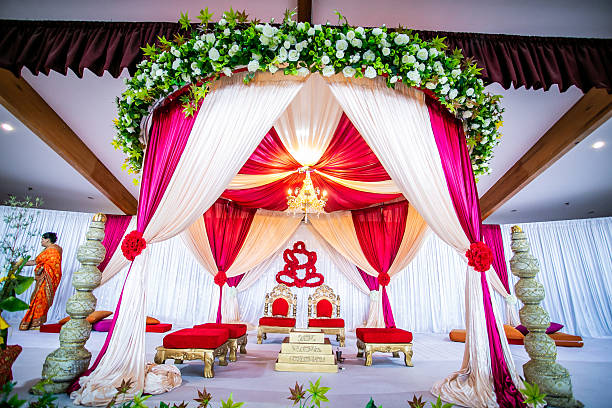
The Complete Wedding Logistics Timeline: From Booking to Baraat
Planning an Indian wedding is no small feat. Behind every grand celebration lies a carefully structured logistics timeline that ensures everything flows seamlessly—from the first venue visit to the final baraat entry. Without proper planning, even the most beautiful wedding can quickly turn chaotic. That’s why understanding and executing a well-organized wedding logistics timeline is essential for a stress-free and memorable celebration.
This guide walks you through every stage of wedding logistics, helping you stay on track from booking to baraat.
6–12 Months Before the Wedding: The Foundation Stage
This is where your wedding logistics journey truly begins. Decisions made during this phase shape the entire event.
1. Finalize the Wedding Date & Budget
Start by selecting an auspicious wedding date and setting a realistic budget. This helps in prioritizing vendors and avoiding unnecessary expenses later.
2. Book the Venue
Popular venues get booked quickly, especially during peak wedding seasons. Lock in your venue early, whether it’s a banquet hall, resort, or destination location.
3. Hire Key Vendors
Secure your core team:
- Wedding planner
- Caterer
- Photographer & videographer
- Decorator
Booking these early ensures availability and better pricing.
4. Guest List Planning
Prepare a tentative guest list. This will help determine venue size, catering needs, and accommodation logistics.
4–6 Months Before the Wedding: Structuring the Details
Once the basics are set, it’s time to build the structure of your wedding logistics.
1. Accommodation Planning
If you have outstation guests, start arranging hotels or guest houses. Block rooms in advance to avoid last-minute shortages.
2. Transportation Planning
Plan how guests will travel:
- Airport/railway pickups
- Shuttle services between hotel and venue
- Special arrangements for VIP guests
3. Wedding Invitations
Design and print invitations. For destination weddings, send “Save the Date” cards early so guests can plan travel.
4. Event Flow Planning
Decide the sequence of events:
- Mehendi
- Sangeet
- Haldi
- Wedding ceremony
- Reception
This timeline will guide all logistics moving forward.
2–3 Months Before the Wedding: Coordination Phase
This is when things start getting real. Coordination becomes key.
1. Vendor Meetings
Meet all vendors and align expectations:
- Finalize menu with caterers
- Confirm décor themes
- Discuss photography schedules
2. Logistics Mapping
Create a detailed plan for:
- Entry/exit points
- Stage setup
- Seating arrangements
- Food counters
3. Guest Confirmation
Send out invitations and start tracking RSVPs. This helps in finalizing catering and accommodation numbers.
4. Outfit & Accessories
Ensure wedding outfits are ready, including fittings and accessories, to avoid last-minute stress.
1 Month Before the Wedding: Execution Planning
With the big day approaching, focus shifts to execution.
1. Final Vendor Confirmation
Reconnect with all vendors and reconfirm:
- Dates and timings
- Deliverables
- Payment schedules
2. Prepare a Detailed Schedule
Create a minute-by-minute timeline for each event. Share this with:
- Family members
- Wedding planner
- Key vendors
3. Assign Responsibilities
Delegate tasks to trusted friends or family:
- Guest coordination
- Vendor communication
- Emergency handling
4. Backup Plans
Always have contingency plans for:
- Weather issues
- Vendor delays
- Technical failures
1 Week Before the Wedding: Final Touches
This is the most crucial phase where everything must align perfectly.
1. Confirm Guest Arrivals
Track arrival times and ensure transportation is arranged accordingly.
2. Pack Essentials
Prepare a wedding essentials kit:
- Outfits and jewelry
- Makeup and grooming items
- Important documents
3. Venue Visit
Do a final walkthrough of the venue:
- Check décor layout
- Confirm seating arrangements
- Review lighting and sound setup
4. Vendor Coordination Call
Have a final group call with all vendors to ensure everyone is on the same page.
2–3 Days Before the Wedding: Ground Execution
Now the action begins on-site.
1. Setup Begins
- Decor team starts installation
- Stage and mandap setup
- Lighting and sound checks
2. Guest Check-Ins
Welcome guests and ensure smooth hotel check-ins.
3. Rehearsals
If required, rehearse key moments like:
- Couple entry
- Sangeet performances
- Varmala sequence
Wedding Day: From Ceremony to Baraat
This is the moment everything comes together.
1. Vendor Arrival & Setup
Ensure all vendors arrive on time:
- Caterers begin food prep
- Decor team finalizes setup
- Photographers get ready for coverage
2. Guest Management
Have a team in place to:
- Guide guests
- Manage seating
- Handle queries
3. Baraat Coordination
The baraat is one of the most energetic parts of an Indian wedding. Proper logistics are crucial:
- Arrange transport for the groom’s side
- Coordinate with the band/DJ
- Manage timing so the baraat aligns with the muhurat
4. Ceremony Flow
Ensure smooth transitions:
- Groom’s entry
- Varmala
- Mandap rituals
- Bidaai
5. Real-Time Problem Solving
Despite planning, small issues may arise. A dedicated logistics team ensures quick resolutions without disturbing the celebration.
Post-Wedding Logistics
Even after the wedding, some tasks remain:
1. Vendor Payments
Clear pending dues and collect receipts.
2. Returns & Pack-Up
Ensure rented items like décor, costumes, and equipment are returned.
3. Guest Departure
Arrange transportation for guests leaving after the wedding.
Why Wedding Logistics Matter
Wedding logistics are the backbone of a successful event. While décor and outfits create visual appeal, logistics ensure everything runs smoothly behind the scenes.
A well-planned timeline:
- Reduces stress for the couple and family
- Ensures timely execution of events
- Enhances guest experience
- Prevents last-minute chaos
Final Thoughts
From booking the perfect venue to orchestrating a flawless baraat, wedding logistics require careful planning, coordination, and execution. Following a structured timeline not only keeps everything organized but also allows you to truly enjoy your special day without unnecessary stress.
Whether you’re planning an intimate ceremony or a grand celebration, mastering wedding logistics is the key to turning your dream wedding into reality.
Add Comment